



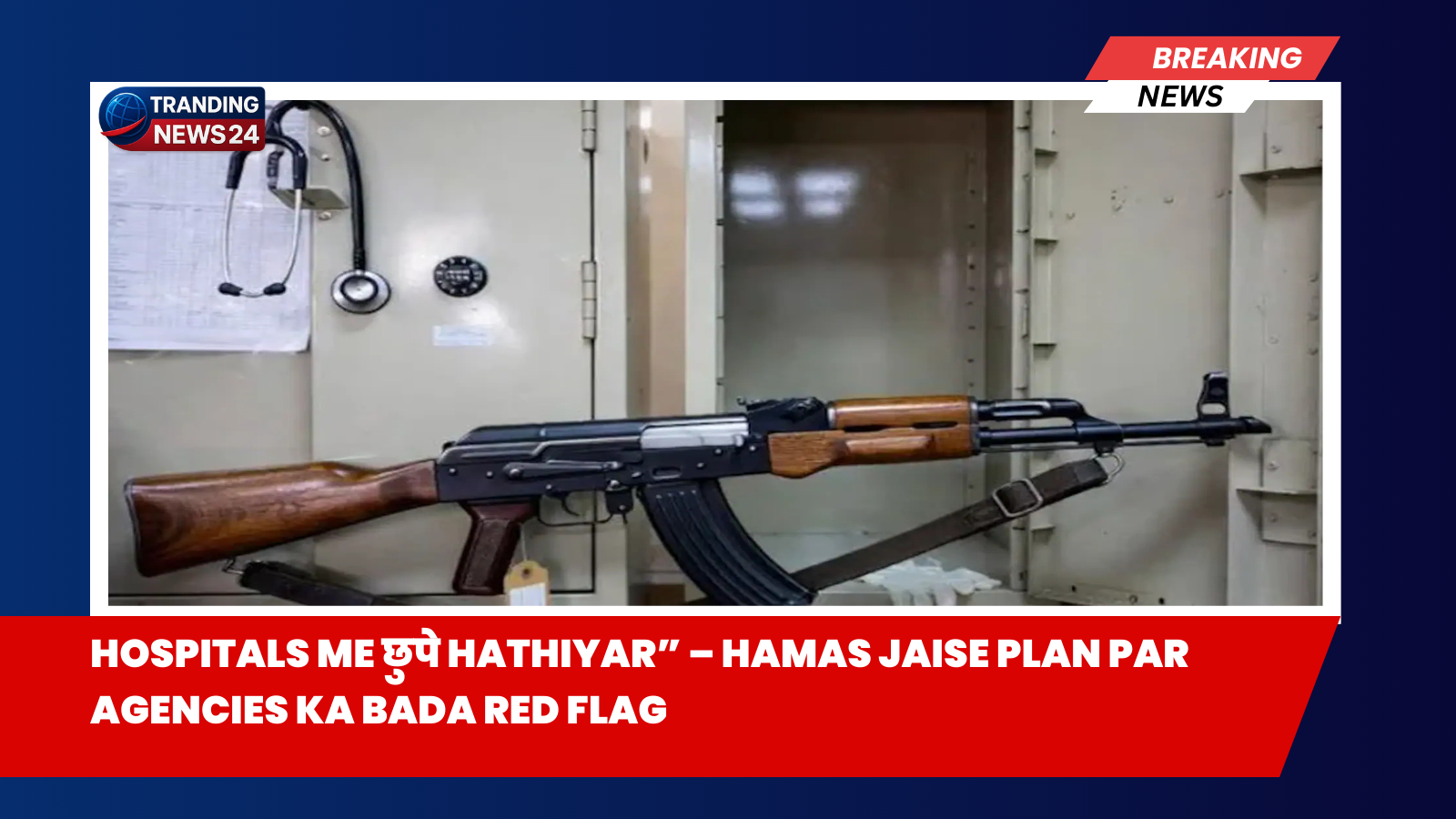
Delhi Red Fort blast case ki jaanch jaise-jaise aage badh rahi hai, security agencies ke saamne ek aur disturbing pattern saamne aa raha hai. Sources ke mutabik kuch terror modules allegedly hospitals aur medical institutions ko cover ke taur par use karne ka plan bana rahe the – bilkul us model jaise jiske baare me Hamas par aarop lage the. Yani doctors, paramedical staff ya hospital network ke through weapons aur explosives ko safe storage mil sake, jahan normal policing relatively soft rehti hai.
Kya Hua Tha Exactly?
Red Fort blast ke baad jab central agencies ne suspected network ko trace karna shuru kiya, toh investigation sirf ek suicide blast tak limited nahi rahi. Probing se pata chala ki ek wider module allegedly Delhi–NCR, Faridabad aur Jammu & Kashmir ke kuch parts tak spread tha.
Is network me kuch doctors, medical students, aur healthcare se जुड़े log bhi scanner par aaye. Suspicion yeh hai ki ye log apni professional identity ka misuse karke:
Movement ko low-profile rakh rahe the,
Communication ke liye safe environments choose kar rahe the,
Aur possible weapons storage ke liye hospitals ko soft spot ke roop me dekh rahe the.
Agencies ke liye ye revelation isliye serious hai kyunki hospital ko aam taur par “no-questions-asked safe space” maana jata hai.
Kahan Aur Kaise Chhupaye Ja Sakte The Hathiyar?
Security sources ka kehna hai ki module ke recce pattern se lag raha hai ki:
Staff lockers,
Basement storage areas,
Service corridors, maintenance rooms,
Ya rarely-used record rooms
ko potential arms dump ya explosives storage ke taur par evaluate kiya gaya.
Hospital ka environment aise plan ke liye tempting hota hai, kyunki:
Entry–exit par checking mostly patient-centric hoti hai, hardcore security screening nahi.
Agar kabhi police ya forces hospital me raid karein, toh turant political aur humanitarian controversy khadi ho sakti hai.
Staff ID cards aur medical aprons ek “clean” cover provide karte hain.
Yahi reason hai ki agencies is pattern ko “Hamas-style playbook” se compare kar rahi hain, jahan militant groups par civilian infrastructure ke peeche छुपne ka aarop lagta raha hai.
Kaun Hain Yeh ‘White-Collar’ Suspects?
Jaanch ke dauran kuch aise naam saamne aaye jo normal life me educated, professionally settled log ke category me aate hain – especially health sector se जुड़े individuals.
Inputs yeh indicate karte hain ki:
Kuch private hospitals me kaam karne wale doctors/technicians ke contact points suspicious paaye gaye,
Jammu & Kashmir ke ek–do medical setups se जुड़े logon ke foreign-linked chats aur encrypted communication trace hue,
Inme se kuch ko over-ground worker ya sympathiser category me dekha ja raha hai, jo logistics, safe houses aur movement coordinate karte the.
Yani yeh zaroori nahi ki har koi active gunman ho, lekin alleged role support aur facilitation wala ho sakta hai.
Hamas Wala Angle Itna Sensitive Kyu Hai?
International level par Israel–Gaza conflict ke waqt baar-baar yeh allegation saamne aaya ki militant groups ne hospitals ke neeche tunnels, command centres, aur arms storage banaye. India ki security agencies ab is baat ko sirf news reference ke roop me nahi, balki warning template ke tarah dekh rahi hain.
Agar koi Indian module bhi:
Civilian institutions ko “shield” ke roop me use kare,
Ya medical identity ke naam par terror logistics chalae,
toh ye purely security nahi, balki ethical aur humanitarian crisis bhi ban jata hai. Isi liye “weapons in hospitals” type input ko agencies ne turant red-flag category me daal diya hai.
Agencies Ab Kya Kar Rahi Hain?
Sources ke hawale se yeh signal mil raha hai ki security establishment ne kuch key steps par brainstorming shuru kar di hai:
Sensitive states – jaise Jammu & Kashmir, Delhi–NCR, border belts – me selected hospitals par surprise inspections aur security audit karne ka plan,
Large hospitals aur medical colleges ke liye background verification, access control, CCTV coverage aur locker management ke liye guidelines tight karne ka idea,
Centre level par ek formal advisory ya SOP jisme hospital authorities ko suspicious activity recognise karne aur timely report karne ke bare me instruct kiya ja sake.
Saath hi, purani terror cases ko bhi retrospectively scan kiya ja raha hai ki kahin kisi aur module ne medical ya educational infrastructure ka misuse toh nahi kiya.
Public Reaction: Shock, Concern Aur Trust Ka Sawal
Aam logon ke liye sabse disturbing baat ye hai ki hospital jaisi jagah, jahan log इलाज ke liye jaate hain, wahan agar gun ya explosive ka नाम bhi जुड़े, toh trust ka base hil jata hai. Conversations me yeh sawal uth raha hai ki:
“Agar hospital bhi safe nahi raha toh fir kahan safe feel karein?”
Lekin security experts aur policy makers dono yeh point insist kar rahe hain ki reaction balanced hona chahiye. Yani:
Puri medical community ko doubt se nahi dekhna,
Balki credible inputs wale specific locations aur individuals par hi focus rakha jaye,
Taaki security bhi strong रहे aur doctors–nurses ka social image unnecessarily damage na ho.
Aage Kya Ho Sakta Hai?
Aane wale weeks me sambhavna hai ki:
Kuch specific hospitals aur medical campuses me detailed searches, audits aur questioning ho,
Red Fort blast case se जुड़े modules par aur arrests ya fresh disclosures saamne aayein,
Aur health sector ke liye ek structured security guideline framework officially announce kiya jaye.
Filhaal ek baat clear hai:
terror modules ka yeh “white-collar” pattern traditional policing se zyada sharp, intelligence-driven approach demand karta hai. Agencies ko ab sirf border, jungle ya hideouts nahi, balki high-trust civilian spaces par bhi trained नजर rakhni hogi – saath hi yeh ensure karte hue ki genuine doctors, nurses aur patients kisi collective suspicion ke bojh ke neeche न दबें.